Read “Alien”, Pastor Ray’s sermon from the First Sunday of Lent, March 5, 2017.
Author: Bruce Ray
The Plight of Daniela Vargas
Despite yesterday’s statement that nothing would be posted on Sunday, March 5, a news story broke that needed to be shared. Read it, weep, and pray. Pray for Daniela; pray for her family; pray for the lawyers and the judges; pray for our nation; pray for boldness and courage to stand up, to speak up, to act up. On this Sunday, feast on love of neighbor that frees from oppression.
Day 4 – Stranger Love
Matthew 2:13-23
Now after they had left, an angel of the Lord appeared to Joseph in a dream and said, “Get up, take the child and his mother, and flee to Egypt, and remain there until I tell you; for Herod is about to search for the child, to destroy him.” Then Joseph got up, took the child and his mother by night, and went to Egypt, and remained there until the death of Herod. This was to fulfill what had been spoken by the Lord through the prophet, “Out of Egypt I have called my son.”
When Herod saw that he had been tricked by the wise men, he was infuriated, and he sent and killed all the children in and around Bethlehem who were two years old or under, according to the time that he had learned from the wise men. Then was fulfilled what had been spoken through the prophet Jeremiah:
“A voice was heard in Ramah,
wailing and loud lamentation,
Rachel weeping for her children;
she refused to be consoled, because they are no more.”
When Herod died, an angel of the Lord suddenly appeared in a dream to Joseph in Egypt and said, “Get up, take the child and his mother, and go to the land of Israel, for those who were seeking the child’s life are dead.” Then Joseph got up, took the child and his mother, and went to the land of Israel. But when he heard that Archelaus was ruling over Judea in place of his father Herod, he was afraid to go there. And after being warned in a dream, he went away to the district of Galilee. There he made his home in a town called Nazareth, so that what had been spoken through the prophets might be fulfilled, “He will be called a Nazorean.”
Why do people leave their homes and move to unfamiliar places? Historically, there have been surges in immigration during times of famine, war, environmental disasters, and persecution. People move when their survival at home is threatened. Jesus’ family moved across the border to Egypt to escape political violence. And later Joseph moved his family to Nazareth in Galilee because he perceived it to be safer than Judea. In both cases, Joseph relocated when he sensed that his family’s survival was threatened.
Today, refugees endure a multi-year vetting process before being allowed into the United States, and for Syrian refugees, the process can take longer–even though we know the threat of death is real! It is unlikely that Joseph (and Mary and Jesus) would pass the current vetting process to gain entry as refugees or to be given asylum. Picture the interaction:
UN Representative: “Sir, why are you seeking refuge in the US?”
Joseph: I was told in a dream that my son is in danger of being killed.”
UN Representative: I’m sorry. Dreams are not considered credible evidence. Next!”
If Joseph were to enter the U.S. today, he would likely have to come in as an undocumented immigrant making Jesus, ironically, a ‘Dreamer’ (alien minor).
Question for Reflection:
What do you think God wants us to learn from Jesus’ experience as a refugee and an immigrant?
Nothing will be posted on Sunday, March 5.
Day 3 – Stranger Love
Proverbs 3:29-30
Do not plan harm against your neighbor who lives trustingly beside you.
Do not quarrel with anyone without cause, when no harm has been done to you.
“Get out of my country!” These words reportedly preceded the firing of a gun that killed Srinivas Kuchibhotla and wounded Alok Madasani on February 22, 2017. The 32-year-old immigrants had come to the U.S. from India to work for Garmin, a Kansas City technology company, and were enjoying time at a suburban sports bar.
There were a lot of presumptions at work in this situation. The shooter, a 51-year-old white male, presumed that the two men were not U.S. Citizens. Was it the color of their skin? An accent? The shooter presumed that they were a threat to “his country.” His presumption of threat led him to plan preemptively and act defensively–even though no harm had been done to him. In this case, an immigrant from India died, and immigrants (from anywhere) became more anxious about their own safety as they go about their daily routines.
Presumptions are not formed in a vacuum. They are shaped over time by the messages we receive from family, school, media and even our faith. And presumptions, once formed, are difficult to change.
But not impossible.
Romans 12:2 Do not be conformed to this world, but be transformed by the renewing of your minds, so that you may discern what is the will of God—what is good and acceptable and perfect.
Questions for Reflection
What have you been told about immigrants? Were some immigrants portrayed positively and others negatively? How have those messages shaped your beliefs and prompted your actions toward immigrants–or people you think may be immigrants?
Do you have any direct personal experience with an immigrant? If so, how has the relationship impacted your presumptions?
How have you experienced difficulty in changing your presumptions about immigrants?
Day 2 – Stranger Love
At the very beginning of his run for president, Donald Trump portrayed immigrants–especially those from Mexico–as hardened criminals and rapists. On Tuesday evening, before a joint session of Congress, President Trump continued to connect the word
“immigrant” with criminal activities. As proof of how dangerous immigrants are, Congress was introduced to several victims of immigrant crime: a man whose son was killed by an “illegal immigrant” and the wife of a police officer who was killed by “two illegal immigrants.” Because “our citizens” are at such high risk, Trump announced the creation of a new office within the Department of Homeland Security–Victims Of Immigrant Crime Engagement (VOICE)–that would address the supposed epidemic of immigrant criminality.
Yet, a 2014 study published in the journal Justice Quarterly concluded that immigrants “exhibit remarkably low levels of involvement in crime across their life course” and are less likely to commit crimes than native-born U.S. Citizens. (source: AP)
So why is Trump insistent upon telling the “immigrant as criminal” storyline? Is he articulating a narrative about immigrants that he will use to justify state-sanctioned actions against them? Likely. By constantly connecting the words “immigrant” and “criminal,” Trump plants the seeds of suspicion and fear into the minds and hearts of the public–seeds that will bear the fruit of hatred and discrimination and that will lead to public support for deportation, incarceration or worse. It’s happened before.
Question for reflection:
When you hear the word “immigrant” what are your first thoughts? Who do you picture? What are they like?
Do you have a counter-narrative to the “immigrant as criminal” storyline? What is it?
Link to the related article by the Associated Press.
The Journey Begins – Ash Wednesday
Lent begins with the recognition that we live in a broken world and that we are broken with it. We are in need of grace. We are in need of healing. We cannot experience God’s shalom and wholeness until we deal with the brokenness in us and between us. This is the nature of repentance–an awakening to our true condition; an admission of our true need that moves us to renounce that which leads to and maintains brokenness and to embrace God’s invitation to experience and be part of God’s new creation in Christ.
On this Ash Wednesday, we are again confronted with the brokenness of our world–the old creation–as evidenced in the ways we have categorized and classified people by race, national origin, ethnicity, gender, religion, etc. and the ways that we have placed value and worth on those classifications. Our nation built a social order on the foundation of superior white, male, straight, Western European identity. And in so doing, we have identified the inferior “other”–all those who do not fit what is “normative.” And to our shame, we have codified the social order through our politics and justified it through our religion. In the process, we have stripped others of their personhood. Nowhere is this more evident than in our treatment of indigenous peoples, people of color and immigrants throughout our nation’s history to the present day. 1
And on this Ash Wednesday, we are again confronted with God’s vision–the new creation–of a place where the old categories and classifications are destroyed (Colossians 3:11) ; where the dividing walls of hostility are broken, never to be rebuilt (Ephesians 2:14); where the power structures are dismantled and the arrogant are humbled (Luke 1:51-53); where the most valued members of the social order are the most vulnerable and the last shall be first (Matthew 25:34-36).
And our only response must be humble repentance that moves us to renounce the signs and sins of the old creation: xenophobia, superiority, exclusion; and moves us to embrace the new heavens and earth where justice is at home.
Let’s begin.
Questions for Reflection:
In what ways have you lived the signs and sins of the old creation such as xenophobia, superiority, exclusion?
What does repentance from xenophobia look like?
1 Last night, Donald Trump regularly identified immigrants with criminality. Today, he is expected to sign a new Executive Order related to travel restrictions.
The Journey Begins – Ash Wednesday
Lent begins with the recognition that we live in a broken world and that we are broken with it. We are in need of grace. We are in need of healing. We cannot experience God’s shalom and wholeness until we deal with the brokenness in us and between us. This is the nature of repentance–an awakening to our true condition; an admission of our true need that moves us to renounce that which leads to and maintains brokenness and to embrace God’s invitation to experience and be part of God’s new creation in Christ.
On this Ash Wednesday, we are again confronted with the brokenness of our world–the old creation–as evidenced in the ways we have categorized and classified people by race, national origin, ethnicity, gender, religion, etc. and the ways that we have placed value and worth on those classifications. Our nation built a social order on the foundation of superior white, male, straight, Western European identity. And in so doing, we have identified the inferior “other”–all those who do not fit what is “normative.” And to our shame, we have codified the social order through our politics and justified it through our religion. And in the process, we have stripped others of their personhood. Nowhere is this more evident than in our treatment of indigenous peoples, people of color and immigrants throughout our nation’s history to the present day. 1
And on this Ash Wednesday, we are again confronted with God’s vision–the new creation–of a place where the old categories and classifications are destroyed (Colossians 3:11) ; where the dividing walls of hostility are broken, never to be rebuilt (Ephesians 2:14); where the power structures are dismantled and the arrogant are humbled (Luke 1:51-53); where the most valued members of the social order are the most vulnerable and the last shall be first (Matthew 25:34-36).
And our only response must be humble repentance that moves us to renounce the signs and sins of the old creation: xenophobia, superiority, exclusion; and moves us to embrace the new heavens and earth where justice is at home.
Let’s begin.
Questions for Reflection: In what ways have you lived the signs and sins of the old creation such as xenophobia, superiority, exclusion? What does repentance from xenophobia look like for you?
1 Last night, Donald Trump regularly identified immigrants with criminality. Today, he is expected to sign a new Executive Order related to travel restrictions.
Stay Sober, Friends
Have you had your donuts, pancakes, paczkis? It’s Fat Tuesday (aka Mardi Gras, Fastnacht, Shrove Tuesday). It is the day of preparation for the season of Lent and the start of fasting. While some may use today as an excuse for excessive revelry and drunkeness ala Bourbon Street, many of us will stay sober in order to watch #45 address a joint session of Congress. (Getting smashed may come after the speech.). The White House has promised that the president will present an “optimistic vision” that will include the topics of healthcare, infrastructure, defense spending, and…wait for it…THE BORDER.
We’ve already heard the president’s vision for a “big, beautiful wall.” We’ve already seen the chaos of an Executive Order ban on Syrian Refugees. We’ve already read about ICE raids and detainment of U. S. Citizens at airports because they have Muslim sounding names. We’ve listened to the fear and seen the anxiety in the eyes of our immigrant sisters and brothers. It is what motivated our church to focus on Immigrant and Refugee Justice for this year’s Lenten Compact, “Stranger Love.”
Given the history and current climate, I cannot imagine an”optimistic vision” for immigrants and refugees. I cannot be optimistic. Tonight, I’ll be watching. Tomorrow, we’ll fast from xenophobia and fear in order to love our neighbor as ourselves.
Shalom
Stranger Love
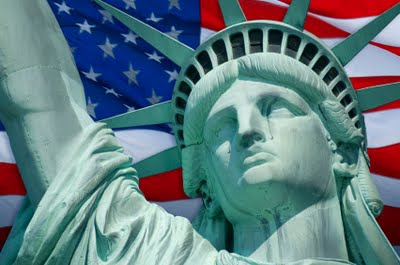
On March 1, 2017, we will begin the season of Lent and start our 2017 Fast for Immigrant and Refugee Justice. We invite you to join us on a journey from xenophobia to xenophilia, learning God’s heart for the “alien and stranger” along the way. From the Hebrew Scriptures to Jesus, we are commanded to “love our neighbor as ourselves.” Jesus expanded the definition of neighbor to include those of different faiths and different ethnicities and even ones enemies.
We are currently living in a time of rising mistrust and suspicion and a resurgence of nationalism and ethnic/racial supremacy. In the midst of this climate, the church faces a choice. Will people of faith add their voices to the calls for bans and walls, or will they–in Jesus’ words–see him “a stranger, and welcome him?”
Link to the 2017 Compact (above) for more information and details of our collective fast. Together, we will act for the justice that will destroy dividing walls of hostility and build bridges of peace.
2017 Compact
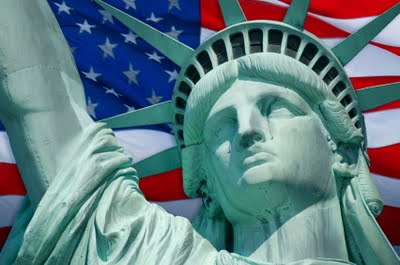
“Stranger Love: A Fast for Immigrant and Refugee Justice”
We live in Xenophobic Times
Lent has often been considered a personal time to ‘fast’—deny ourselves something we enjoy so that we can focus ourselves on God and the “self-denial” of Jesus and “give alms” to those in need. But this year, because of the rise of xenophobia and outright expressions of suspicion and hatred of the “other”, our fasting MUST result in more than just self-denial. It MUST result in justice for our neighbors. As the prophet Isaiah reminded God’s people:
“Is not this the kind of fasting I have chosen: to loose the chains of injustice and untie the cords of the yoke, to set the oppressed free and break every yoke? Is it not to share your food with the hungry and to provide the poor wanderer with shelter— when you see the naked, to clothe him, and not to turn away from your own flesh and blood?” (Isaiah 58:6)
Therefore, We Will “Fast for Immigrant and Refugee Justice”
Throughout last year’s election campaign, candidate Donald Trump tapped into anti-immigrant, anti-refugee and anti-Muslim sentiment among many Americans. He identified the millions of undocumented immigrants as the main reason for his candidacy—calling them rapists and hardened criminals. He proposed a ban on Muslim immigrants and refugees, and at one point proposed a Muslim registry. Now, as President, he has continued to pound the drum of fear, claiming that undocumented immigrants are the primary cause of violence in Chicago, that Syrian refugees are terrorists seeking to destroy the United States, and that the solution is a border wall, mass deportation of undocumented immigrants, and “extreme vetting” of anyone entering the country. One of his first Executive Orders placed a temporary travel ban from 7 predominantly Muslim nations and an indefinite ban of refugees from war-torn Syria. While the order was stopped by the courts, he continues efforts to deny entry to the US. He has continued to promote the building of a wall along the Mexican border and has stepped up raids by Immigration and Customs Enforcement (ICE). The result has been anxiety and fear within the immigrant, refugee and Muslim communities who now feel vulnerable to harassment, discrimination, deportation, and even life-threatening violence.
In the midst of the rising xenophobia, Jesus Followers have risen up to advocate for immigrants and refugees, reminding God’s people of the Biblical call to care for “the alien and stranger” and of Jesus’ words, “I was a stranger, and you welcomed me.” Love of the stranger—xenophilia—is a mark of God’s faithful people, and Jesus expanded the definition of “neighbor” to include those who were of a different faith and even one’s enemy.
Our immigrant sisters and brothers need to know that followers of Jesus are their allies. Our refugee sisters and brothers need to know that followers of Jesus will not abandon them. Our Muslim sisters and brothers need to know that followers of Jesus will not seek their harm. Now more than ever.
How Can We Fast for Immigrant and Refugee Justice?
Fasting is not just about giving up something; it is about working for God’s justice. While giving up something of importance, we will intentionally
RENOUNCE XENOPHOBIA AND REJECT FEAR
and we will
TAKE ACTION FOR AND WITH IMMIGRANTS AND REFUGEES WHO LIVE IN FEAR.
- Together, we’ll oppose Executive Orders and Legislative Policies that harm our neighbors.
Join the Resistance Tuesdays Rally at the Federal Building, 230 S. Dearborn each Tuesday at 3:30 pm.
- Together, we’ll advocate for immigrant and refugee rights.
Participate in the Day of Action at the State Capital in Springfield on March 15.
Participate in our annual Occupy Palm Sunday Action on April 9. (Details to come.)
- Together, we’ll hold vigil for those facing deportation and for their families.
Participate in the Prayer Vigils at the Broadview Detention Center each Friday at 7:15 am
- Together, we’ll support refugee families and organizations that are aiding immigrant families.
Volunteer at Justice for our Neighbors Legal Clinic at Humboldt Park United Methodist Church or another organization that works directly with immigrants and refugees.
Financially Support an immigrant advocacy organization.
Participate in the 35th Ward or 33rd Ward Community Defense Committee
- Together, we’ll increase our Biblical and Social Conscience regarding “Strangers”.
Through reading Scriptures and books, hearing the stories of refugees and immigrants, and monitoring national and local news, we will gain new insight into the immigrant experience and become attuned to God’s hearts for “the alien and stranger.” Several suggested books are: Welcoming the Stranger by Matthew Soerens, Our God is Undocumented by Ched Meyers, and The Bean Trees by Barbara Kingsolver.
We recognize that no one can do everything, but we encourage you to participate in at least ONE ACTION each week throughout Lent that will connect you to immigrants & refugees and increase your “love of strangers.”
Together, we will experience God’s gracious transformation and renewal so that “Stranger Love” becomes a natural practice of our faith in Jesus.
 Tongue on Fire